Public opinion regarding Israel and its government has undergone measurable shifts in recent years among American adults, with demographic factors—particularly age—playing an increasingly prominent role in shaping these perspectives. Understanding these evolving attitudes offers insight into how foreign policy views are changing across generations.
The Generational Gap in Foreign Policy Views
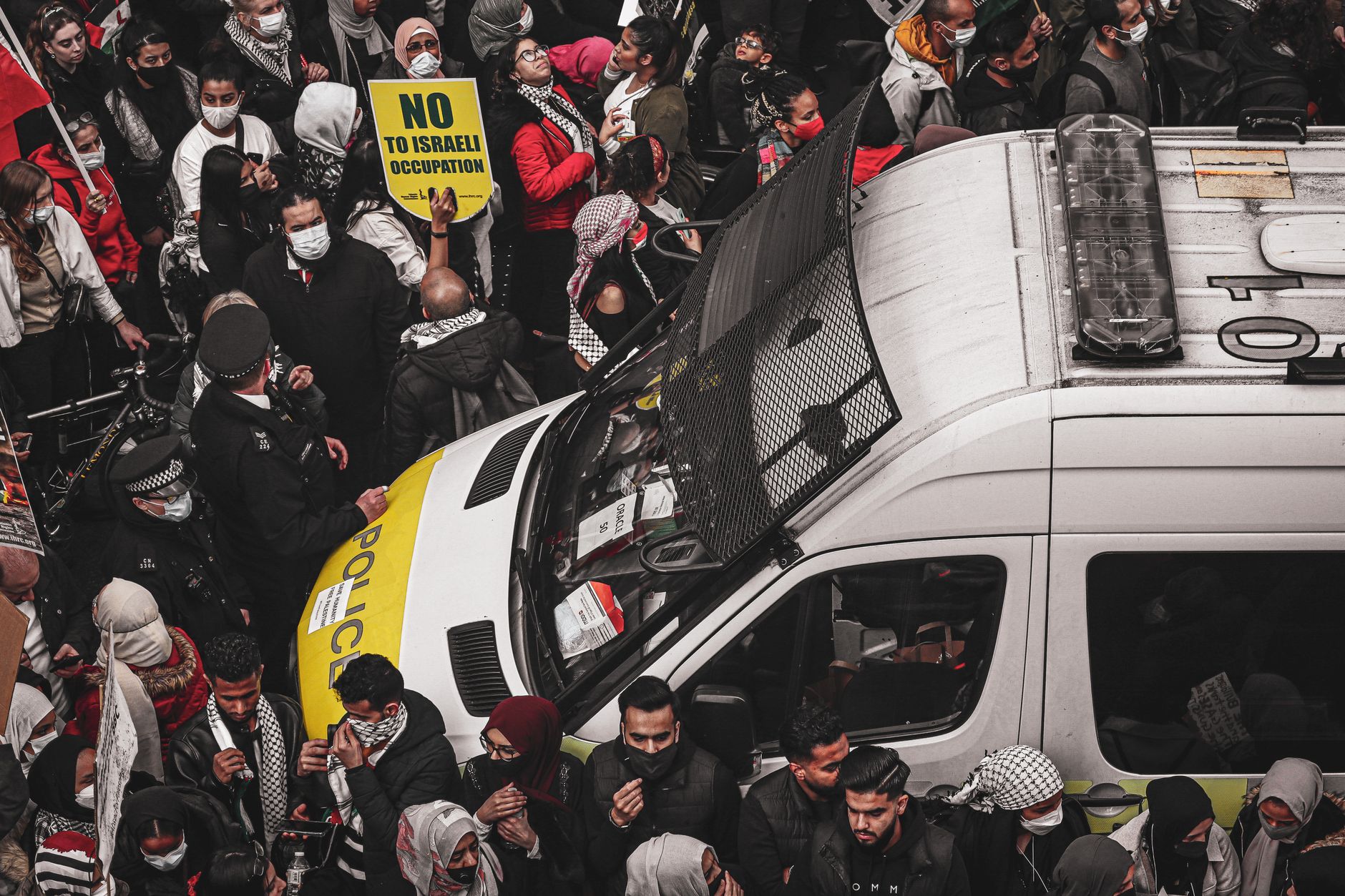
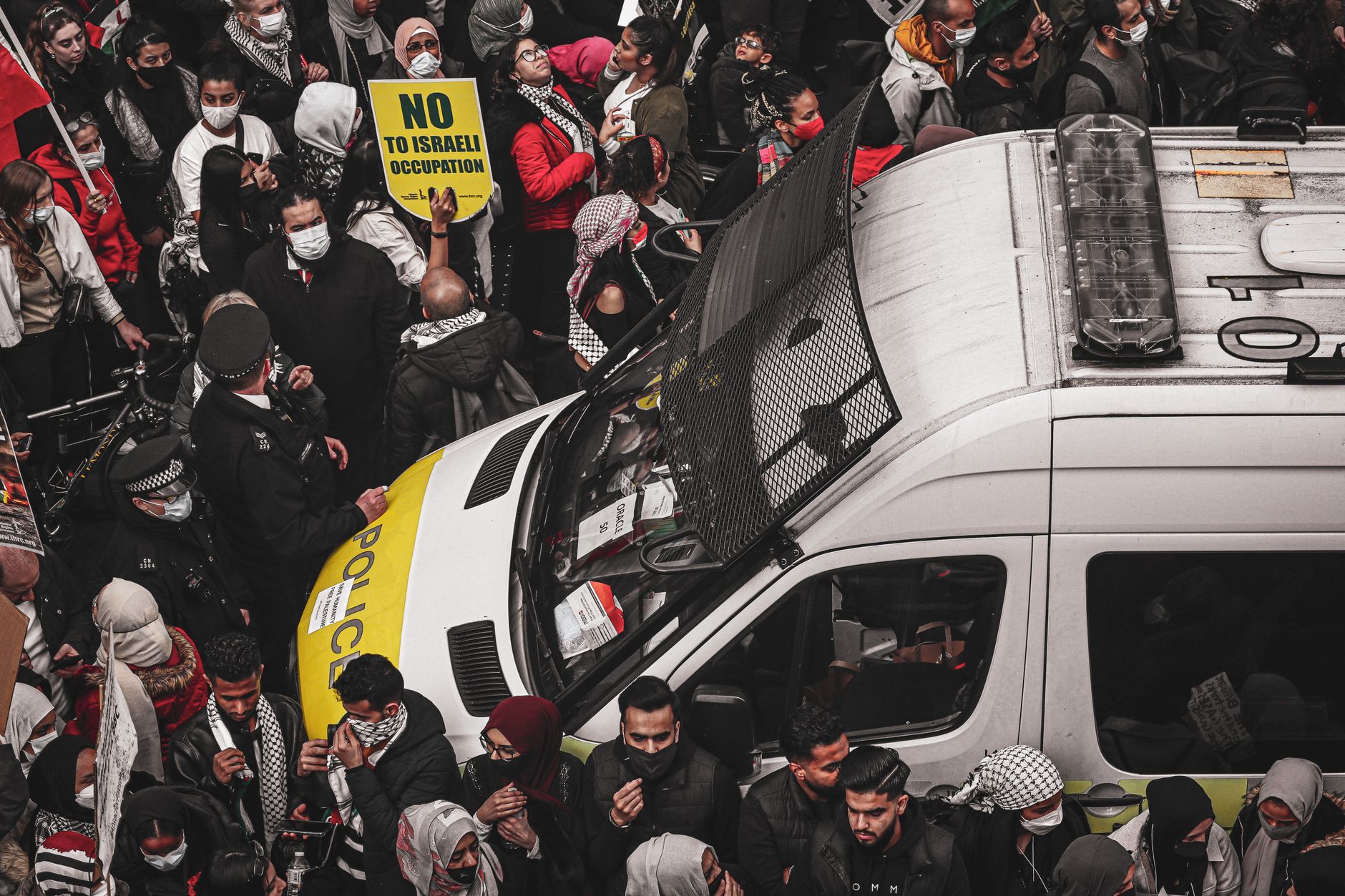
Younger Americans, particularly those under 30, have demonstrated markedly different attitudes toward international conflicts and alliances compared to older generations. This pattern reflects broader trends in how different age groups consume news, engage with global issues, and form opinions about complex geopolitical situations.
Several factors contribute to this generational divide. Younger adults have grown up in an era of extensive social media usage, providing them access to diverse international perspectives and firsthand accounts from conflict zones. This differs significantly from older generations who primarily formed their views during the Cold War era or its immediate aftermath, when Middle Eastern alliances were framed differently in American political discourse.
Understanding Shifting Public Opinion
Changes in public sentiment toward foreign governments and leaders rarely occur in isolation. They typically reflect accumulating factors over time, including media coverage of specific events, changing domestic political priorities, and evolving cultural values around human rights and international law.
The role of information sources cannot be understated. Traditional media outlets, social media platforms, university campuses, and community discussions all contribute to how Americans perceive international actors. Younger demographics, in particular, tend to engage with a wider variety of international news sources and perspectives shared directly by individuals in affected regions.
Factors Influencing American Perspectives
Several elements shape how Americans view foreign policy matters:
- Personal values regarding human rights and civilian protection during conflicts
- Religious and cultural background, which may influence emotional connections to certain regions
- Political party affiliation and how party leaders frame international issues
- Educational exposure to Middle Eastern history and contemporary politics
- Direct connections to affected regions through family, friends, or travel
The Impact of Leadership Perceptions
Public opinion about specific political leaders often differs from views about countries or populations as a whole. Leadership approval ratings can fluctuate based on policy decisions, international incidents, diplomatic approaches, and how those leaders are portrayed in American media coverage.
When evaluating foreign leaders, Americans consider factors such as democratic governance, treatment of minority populations, transparency, willingness to engage in peace processes, and alignment with American values. These considerations can vary significantly based on individual political philosophies and priorities.
Political Polarization and Foreign Policy
American views on international matters increasingly reflect domestic political divisions. Issues that once enjoyed bipartisan consensus have become more contested along party lines, with younger and older members within each party sometimes holding divergent views.
This polarization extends to how different groups interpret the same events, assess the validity of various news sources, and prioritize different aspects of complex international situations. The fragmentation of media consumption habits has accelerated this trend, with Americans increasingly selecting news sources that align with their existing viewpoints.
Implications for Future Policy
Shifting public opinion, particularly among younger voters who will shape future elections, has potential implications for American foreign policy in coming decades. Elected officials and policymakers monitor these trends as they consider diplomatic positions, aid allocations, and strategic partnerships.
However, the relationship between public opinion and policy is complex. Foreign policy decisions involve multiple stakeholders, including military and intelligence considerations, economic interests, historical commitments, and strategic alliances that may not always align with majority sentiment at any given moment.
The Role of Education and Dialogue
Understanding complex international situations requires engagement with historical context, multiple perspectives, and nuanced analysis. Educational institutions, media organizations, and community leaders play important roles in facilitating informed public discourse about foreign policy matters.
Constructive dialogue that acknowledges different viewpoints while seeking common ground remains essential, particularly on issues where Americans hold diverse and deeply felt perspectives. Creating spaces for respectful conversation across generational and political divides can contribute to more thoughtful collective engagement with international challenges.
As demographic changes continue to reshape the American electorate, the views of younger generations will increasingly influence how the United States approaches its international relationships and commitments. Monitoring these trends helps illuminate both current perspectives and future trajectories in American foreign policy attitudes.