The UK's current diplomatic positioning on two of the world's most pressing geopolitical challenges reveals both the pragmatism of Keir Starmer's government and the uncomfortable reality of Britain's diminished global influence in 2025.
As Prime Minister Starmer navigates the complex relationship with a returning Donald Trump administration while simultaneously addressing escalating tensions with Iran, his approach appears carefully calibrated to reflect public opinion at home. However, the very need for such calibration highlights a fundamental shift in Britain's international standing.
Public Opinion and Political Reality
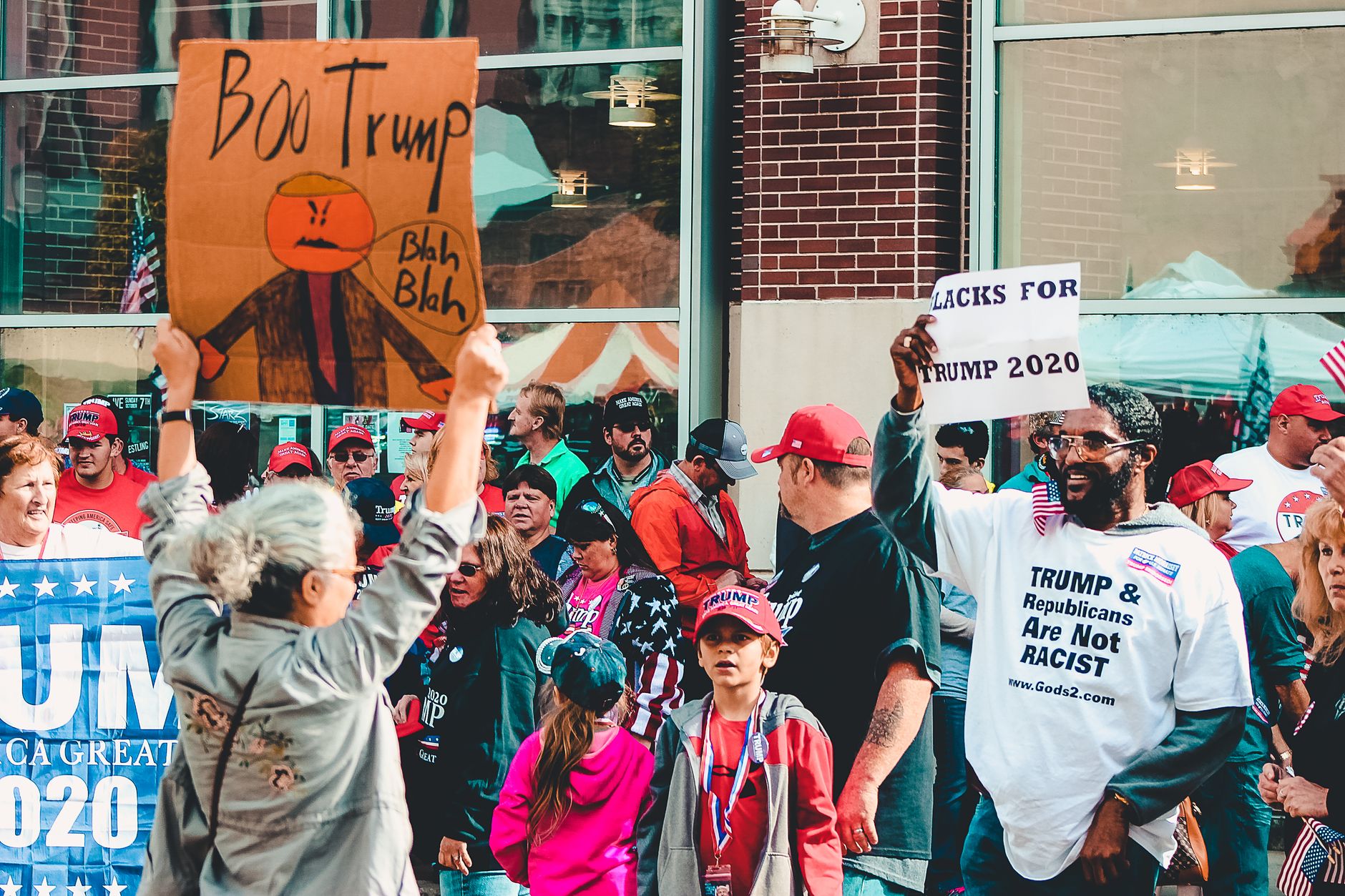
British public opinion on both Trump and Iran has remained notably consistent over recent years. Polling consistently shows deep skepticism toward Trump's leadership style and policies, with significant majorities viewing him unfavorably. Similarly, while the British public supports diplomatic engagement, there is little appetite for military adventurism in the Middle East following the lessons of Iraq and Afghanistan.
Starmer's government has largely mirrored these sentiments, maintaining formal diplomatic courtesy toward Washington while avoiding the effusive personal relationships that characterized some previous administrations. On Iran, the approach has been one of cautious engagement, supporting diplomatic solutions while maintaining criticism of Tehran's regional activities and nuclear ambitions.
This alignment between government policy and public sentiment is politically astute. In a domestic environment where trust in political institutions remains fragile, being seen to reflect rather than ignore popular opinion provides valuable legitimacy.
The Special Relationship Under Strain
The UK-US relationship, often termed the "special relationship," faces particular challenges under Trump's return to office. Britain finds itself caught between maintaining its closest security alliance and managing a US president whose unpredictability and transactional approach to foreign policy creates constant diplomatic uncertainty.
Unlike during Trump's first term, when Theresa May and Boris Johnson navigated these waters with varying degrees of success, Starmer enters with less room for maneuver. Brexit has removed the UK from the European Union's collective diplomatic weight, while Britain's economic challenges limit its ability to offer significant incentives in bilateral negotiations.
The UK needs American cooperation on defense, intelligence sharing, and trade. Yet Trump's administration has shown little sentimentality about historic alliances, viewing international relations primarily through the lens of immediate American interests.
Limited Leverage in the Middle East
On Iran, Britain's reduced influence is perhaps even more apparent. Once a major power broker in the Middle East, the UK now finds itself as a junior partner in regional diplomacy. The Iran nuclear deal, which Britain helped negotiate, exists in limbo following US withdrawal and Iranian violations.
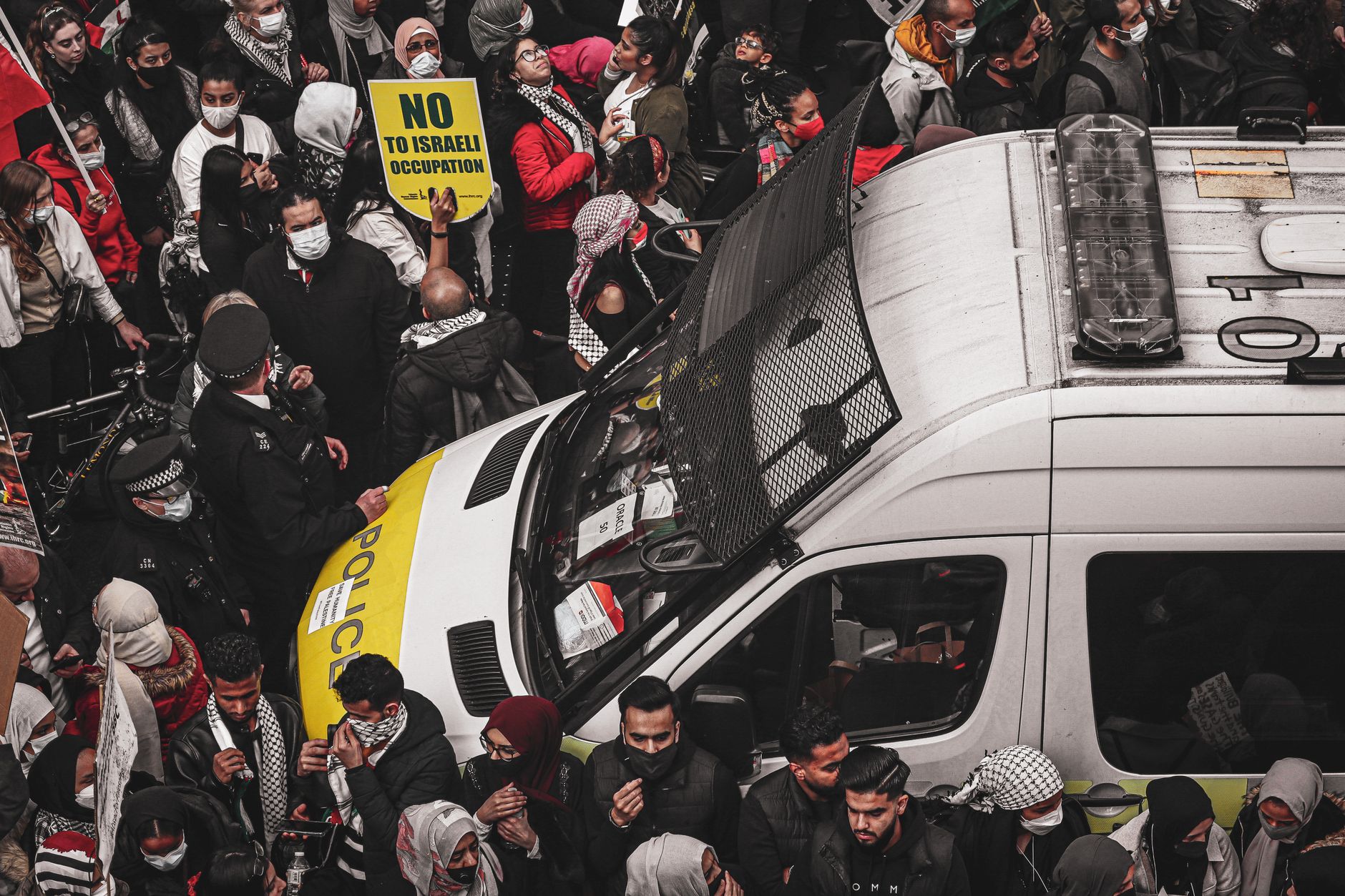
Britain's attempts to maintain diplomatic channels with Tehran while coordinating with Washington and other European partners demonstrate good intentions but limited impact. The UK lacks the economic leverage that might compel Iranian behavior change, particularly as Tehran has cultivated relationships with Russia and China.
The Post-Brexit Constraint
Brexit fundamentally altered Britain's diplomatic calculus. As an EU member, the UK could leverage the bloc's collective economic and political weight while maintaining its own distinct foreign policy voice. Outside the EU, Britain must choose between aligning with European positions or charting independent courses, often without the power to make either choice decisive.
This constraint becomes particularly evident in situations requiring coordinated international pressure. Whether dealing with Trump's demands or Iranian provocations, Britain can convene, consult, and cajole, but rarely compel.
The Path Forward
Starmer's approach represents pragmatic diplomacy within constrained circumstances. By aligning policy with public opinion, the government maintains domestic legitimacy even when international outcomes remain beyond British control. This strategy accepts reality rather than clinging to outdated notions of British influence.
However, this acceptance raises uncomfortable questions about Britain's future role. If the UK cannot significantly influence outcomes with its closest ally or in regions of historical engagement, what does meaningful British foreign policy look like in the 21st century?
The answer may lie in coalition-building, niche expertise, and leveraging soft power assets like development aid, cultural influence, and diplomatic experience. Britain remains a permanent UN Security Council member with significant intelligence capabilities and military forces capable of selective deployments.
Yet the gap between these residual capabilities and the global influence Britain once wielded continues to widen. Starmer's handling of Trump and Iran may reflect public opinion, but it also reflects a deeper truth about the limits of UK power in an increasingly multipolar world where medium-sized powers, even those with distinguished histories, find their influence perpetually tested.