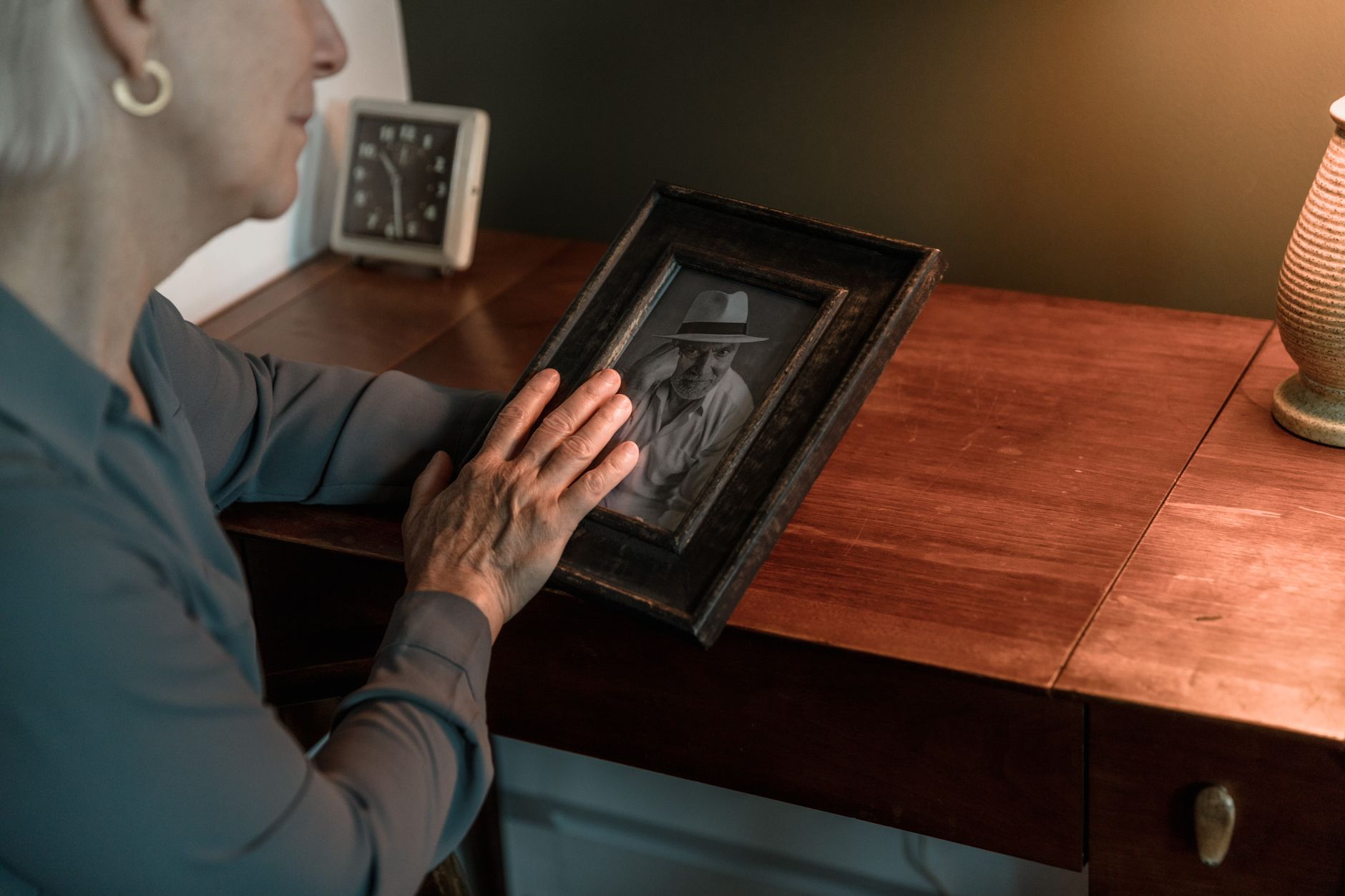
The year 2026 has already seen the entertainment industry mourning the loss of influential figures who shaped our cultural landscape. From Hollywood legends to music icons, fashion pioneers to television stalwarts, these departures remind us of the profound impact artists have on our collective experience. While we cannot predict who we'll lose, understanding how the industry commemorates these figures offers insight into the enduring nature of creative legacy.
The Impact of Celebrity Deaths on Popular Culture
When prominent figures in entertainment pass away, the ripple effects extend far beyond their immediate circles. Fans worldwide experience genuine grief, having formed parasocial relationships with actors, musicians, and designers whose work accompanied them through life's milestones. Social media has amplified this phenomenon, creating immediate global memorials where millions can share memories, favorite performances, and personal stories about how these artists touched their lives.
The entertainment industry typically responds with tribute segments during awards shows, special programming featuring retrospectives, and commemorative projects. Studios often re-release classic films, streaming platforms create dedicated memorial collections, and radio stations program special segments celebrating musical legacies.
How Different Sectors Honor Their Lost Stars
The film and television industry has established traditions for remembering departed colleagues. The Academy Awards and Emmy ceremonies include "In Memoriam" segments, though these sometimes spark controversy over who gets included or excluded. Production studios may dedicate episodes or entire seasons to actors who passed during filming, and co-stars frequently share behind-the-scenes stories that humanize larger-than-life personalities.
The music world often sees tribute concerts and collaborative performances bringing together artists to celebrate their late peers. Grammy Awards pay homage to musicians who've passed, while fellow artists release cover versions or tribute albums. The fashion industry memorializes designers through retrospective exhibitions, documentary projects, and by archiving their work in museums dedicated to preserving sartorial history.
The Business Side of Celebrity Deaths
Beyond emotional tributes lies a complex business reality. When major stars pass away, their estates must manage intellectual property rights, unreleased works, and ongoing royalty streams. The value of an artist's catalog often increases posthumously, as seen with music legends whose streaming numbers surge following their deaths.
Biographical films and documentaries frequently enter development soon after a celebrity's passing, though this practice sometimes draws criticism for appearing opportunistic. Publishers rush to release or re-release biographies, while auction houses prepare to sell personal memorabilia, creating ethical questions about timing and taste.
The Role of Media Coverage
News outlets face the delicate balance of reporting celebrity deaths respectfully while meeting public interest. The 24-hour news cycle and social media mean information spreads rapidly, sometimes resulting in premature reports or misinformation. Reputable sources verify details with family representatives or official spokespersons before publishing, though competitive pressure sometimes compromises this standard.
Entertainment journalism has evolved to include comprehensive obituaries that analyze an artist's contributions, cultural significance, and personal challenges. These pieces serve as first drafts of history, shaping how future generations will understand these figures.
Celebrating Life and Legacy
Rather than dwelling solely on loss, many in the entertainment community emphasize celebration of artistic achievement. Career retrospectives highlight versatility and growth, revealing lesser-known projects that deserve recognition. Younger audiences discover classic performances, ensuring that influence extends across generations.
Educational institutions sometimes establish scholarships in deceased artists' names, supporting emerging talent in their fields. This transforms personal loss into opportunities for future creators, maintaining a connection between past and present.
The Fan Experience in Mourning
For fans, processing celebrity deaths has become a communal experience. Online forums and social media groups provide spaces where people share how specific songs, performances, or designs impacted their lives. Fan projects, from art tributes to charity fundraisers, channel grief into creative and philanthropic action.
Memorial sites, both physical and virtual, allow fans to pay respects. Some travel to grave sites or locations significant to the deceased, while others participate in annual commemorative events or awareness campaigns related to causes the celebrity championed.
As 2026 continues, the entertainment world will undoubtedly face more losses. Each departure reminds us that while individual lives end, artistic contributions persist, continuing to inspire, comfort, and challenge audiences for generations to come.