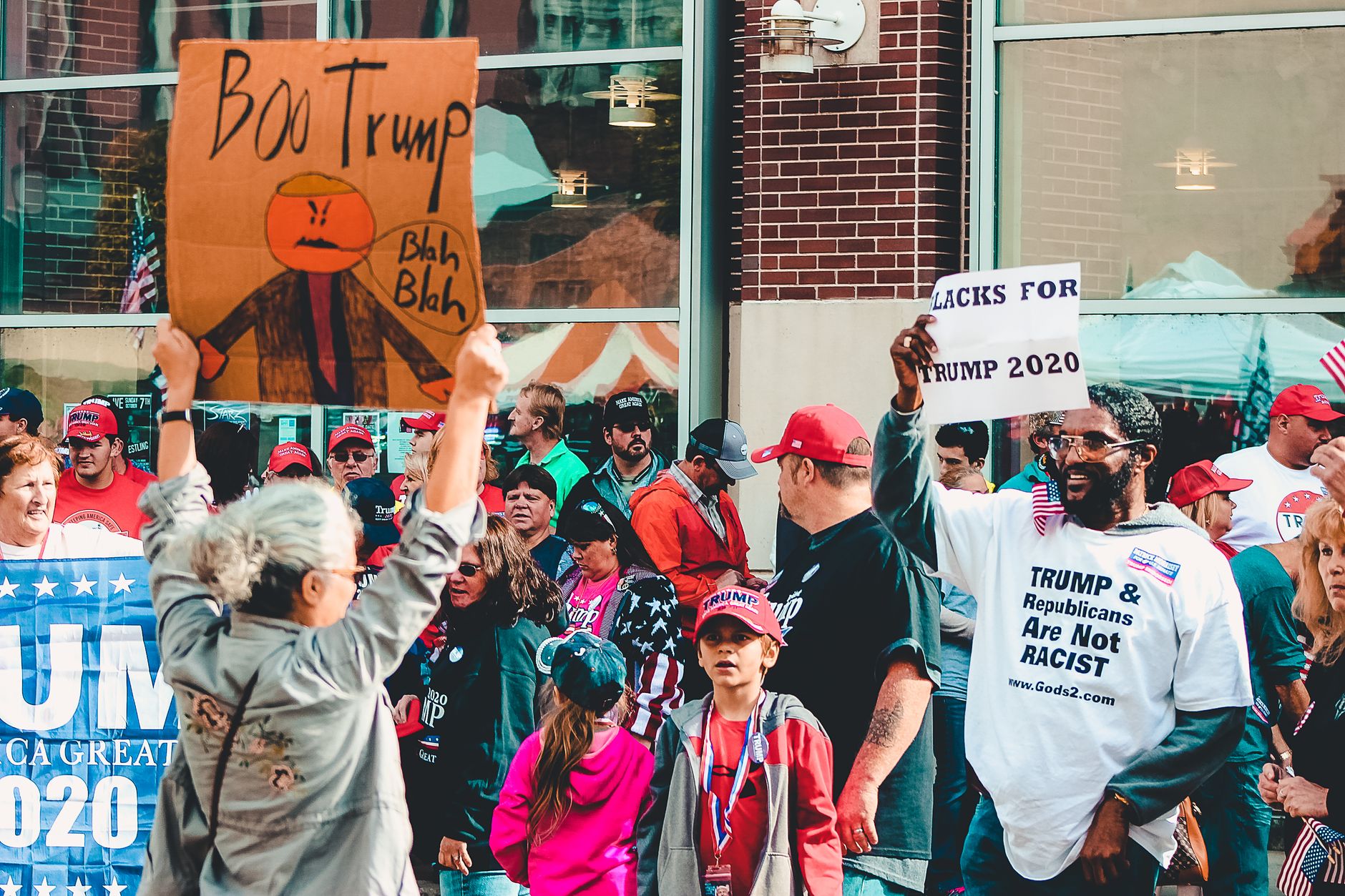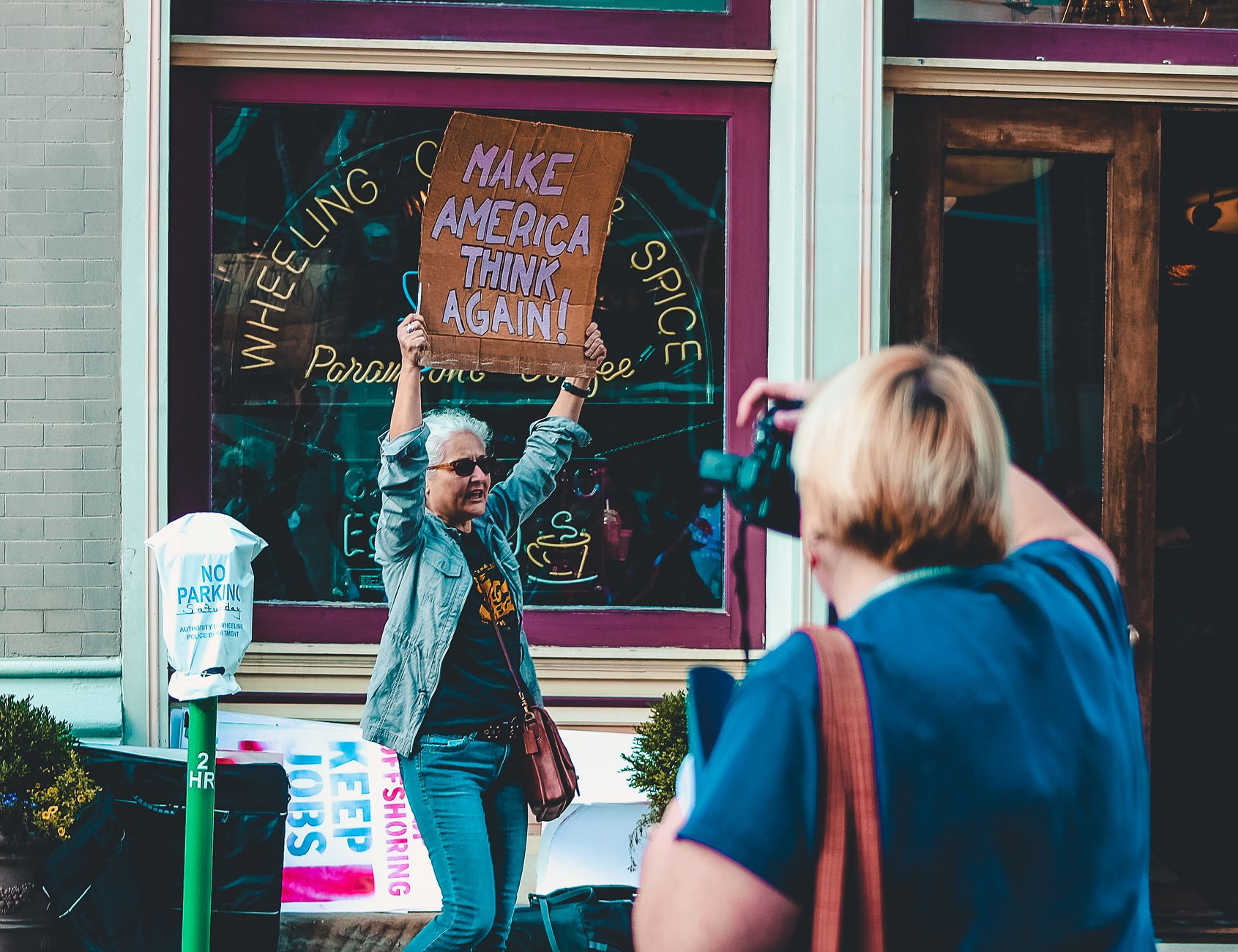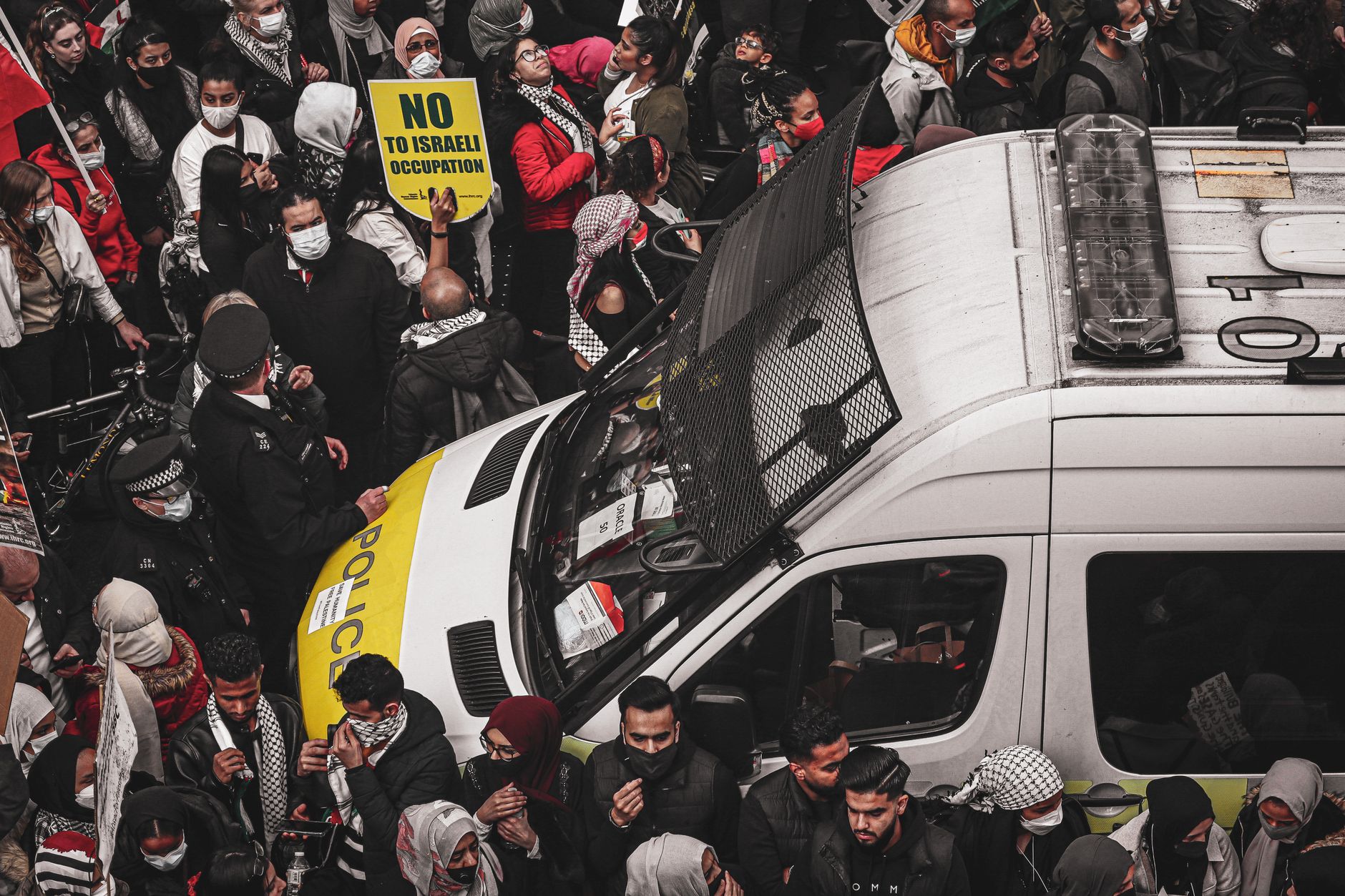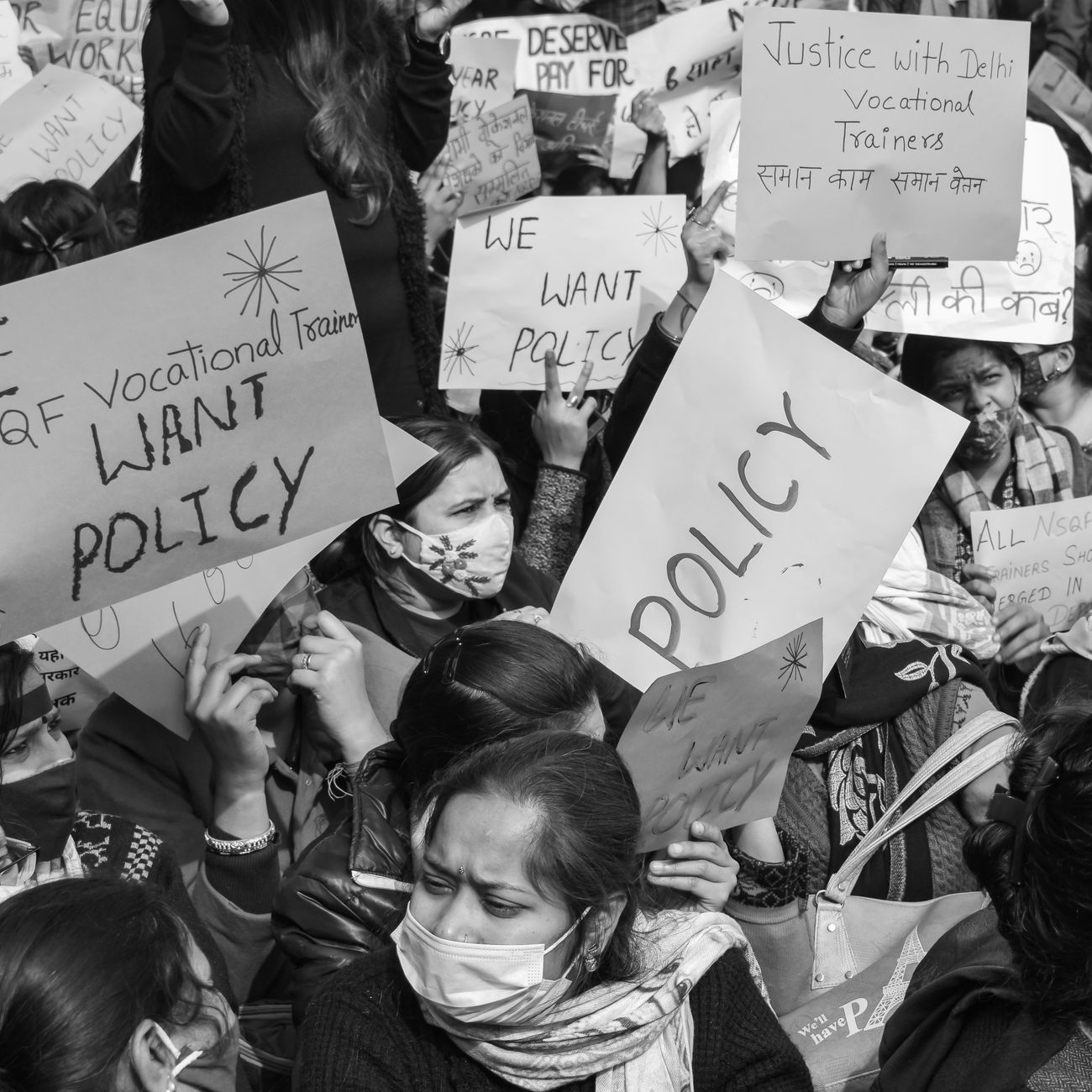
Foreign policy has traditionally been viewed through a partisan lens, with distinct camps holding predictable positions on global engagement, defense spending, and international alliances. However, recent political analysis reveals a more nuanced reality where attitudes toward international affairs often defy conventional ideological boundaries, creating unexpected coalitions and dividing traditional political groups.
The Complexity of Foreign Policy Attitudes
Unlike domestic issues that tend to align neatly along a political spectrum, foreign policy views emerge from multiple, sometimes competing values. A voter may favor strong defense capabilities while also supporting diplomatic engagement. Another might champion international trade while opposing military interventions abroad. These multi-dimensional perspectives create what researchers call cross-cutting cleavages, where people with different political identities find common ground on specific international issues.
This complexity stems from the fact that foreign policy touches on various core values simultaneously. National security concerns, economic interests, humanitarian principles, and cultural identity all play roles in shaping how individuals view international relations. A person's stance on one foreign policy issue may not predict their position on another, even within the same political typology.
Key Areas Where Political Lines Blur
Several foreign policy domains consistently demonstrate this cross-cutting pattern. Trade policy, for instance, creates unusual alignments. Traditional political categories often fracture when confronting questions about tariffs, trade agreements, and economic nationalism. Working-class voters across the political spectrum may share concerns about job losses to overseas competition, while business-oriented conservatives and progressive internationalists might both support open markets, albeit for different reasons.
Immigration and border security represent another area where values intersect in unexpected ways. Security-minded individuals may prioritize border control regardless of their broader political identity, while humanitarian concerns about refugee protection can unite people from various ideological backgrounds. Economic perspectives on labor markets and demographic trends add additional layers of complexity.
Defense spending and military engagement abroad similarly cut across traditional political groups. Hawks and doves exist within every political category, influenced by factors ranging from personal military connections to assessments of specific threats. The question of when military intervention serves national interests versus when diplomacy should prevail divides people within political typologies as much as between them.
Regional Perspectives and Historical Memory
Geographic location significantly influences foreign policy views in ways that transcend political identification. Border states naturally have different priorities regarding immigration and cross-border security than interior regions. Coastal areas with international trade connections may view globalization differently than manufacturing heartlands.
Historical memory also shapes these attitudes. Communities with strong military traditions often maintain distinctive views on defense policy across the political spectrum. Diaspora populations bring perspectives shaped by their countries of origin, creating foreign policy priorities that may align with or diverge from their domestic political preferences.
The Role of International Threats and Opportunities
Perceived threats play a crucial role in determining foreign policy attitudes, and these perceptions don't always track with political typology. Terrorism concerns, cyber security threats, pandemic risks, and climate change as a global challenge each activate different coalitions of support and opposition. A voter primarily concerned about terrorism might align with security hawks on some issues while parting ways on others.
Economic opportunities abroad similarly create cross-cutting interests. Business owners, technology workers, and agricultural producers may all favor certain trade policies despite holding different views on domestic economic issues. The promise of emerging markets or concerns about intellectual property protection can unite stakeholders across political categories.
Implications for Political Discourse
Understanding these cross-cutting dimensions helps explain why foreign policy debates often produce unexpected alliances and why political parties struggle to maintain unified positions on international issues. It also suggests that simplified political labels fail to capture the full range of citizen preferences on global affairs.
For policymakers, this complexity presents both challenges and opportunities. The challenge lies in building coalitions when traditional political alignments don't hold. The opportunity exists in finding common ground with unlikely partners on specific issues, potentially enabling progress where pure partisan approaches would fail.
As global interconnection deepens and international challenges multiply, foreign policy will likely remain an area where values and interests cut across conventional political categories. Recognizing this reality encourages more nuanced political dialogue and may foster pragmatic problem-solving beyond rigid ideological frameworks.