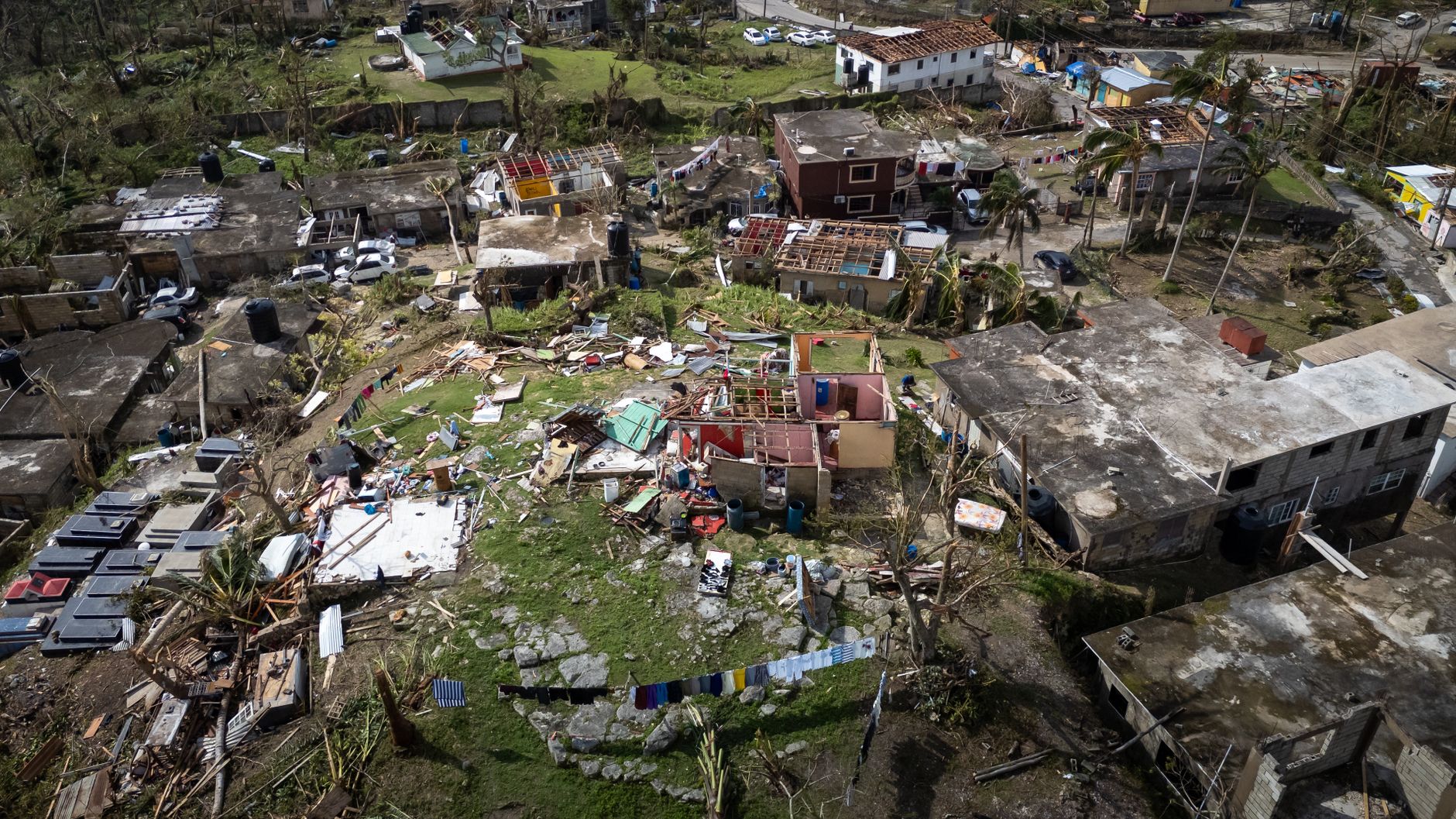
The past decade has witnessed an alarming surge in extreme weather events across the globe. From catastrophic flooding in South Asia to unprecedented wildfires in Australia and North America, these events are no longer isolated incidents but part of a disturbing pattern that scientists increasingly attribute to human-induced climate change.
The Science Behind the Connection
Climate change doesn't necessarily create weather events, but it acts as a performance enhancer, making extreme weather more intense, frequent, and prolonged. The fundamental mechanism is straightforward: greenhouse gas emissions trap heat in the atmosphere, raising global temperatures by approximately 1.2 degrees Celsius since pre-industrial times. This seemingly small increase has profound cascading effects on weather systems worldwide.
A warmer atmosphere holds more moisture—about seven percent more for every degree Celsius of warming. This extra moisture fuels more intense rainfall and flooding events. Simultaneously, higher temperatures accelerate evaporation, intensifying droughts and creating conditions ripe for wildfires. Ocean temperatures have also risen, providing more energy for tropical cyclones and hurricanes, making them potentially more destructive.
Extreme Weather Events on the Rise
The evidence is compelling across multiple categories of extreme weather. Heatwaves have become more frequent and severe across every inhabited continent. Cities from Paris to Delhi have recorded temperatures that would have been statistically nearly impossible without climate change. These aren't just uncomfortable conditions—they pose serious health risks, particularly for elderly populations and outdoor workers.
Rainfall patterns have shifted dramatically. Some regions experience devastating floods as atmospheric rivers dump unprecedented volumes of water in short periods. Meanwhile, other areas face prolonged droughts that threaten agricultural production and water security. This variability makes planning and adaptation increasingly challenging for governments and communities.
Tropical storms and cyclones show concerning trends. While the total number may not be increasing dramatically, the proportion of high-intensity storms has risen. Warmer ocean surfaces provide more energy, allowing these systems to intensify rapidly and maintain strength longer, even after making landfall.
Regional Impacts and Inequities
The burden of climate-driven extreme weather falls unequally across the world. Small island nations face existential threats from rising sea levels and intensifying cyclones. South Asian countries regularly contend with catastrophic flooding during monsoon seasons that have become less predictable and more extreme.
African nations experience prolonged droughts that devastate agricultural communities and trigger humanitarian crises. Meanwhile, Arctic regions warm at twice the global average rate, disrupting ecosystems and indigenous communities while accelerating feedback loops that worsen global warming.
Developed nations are not immune. European countries have experienced deadly heatwaves and floods. North America faces an intensifying wildfire season, with communities in California, Canada, and Australia dealing with annual fire threats that destroy property and degrade air quality across vast regions.
Economic and Human Costs
The financial toll of extreme weather continues to escalate. Insurance companies report rising claims, and some are withdrawing coverage from high-risk areas. Infrastructure built for historical climate conditions proves inadequate for current extremes, requiring costly upgrades or replacement.
Beyond economic metrics, the human cost is staggering. Extreme weather events displace millions annually, create climate refugees, and disproportionately affect vulnerable populations who lack resources to adapt or recover. Agricultural disruptions threaten food security, while health systems strain under heat-related illnesses and disaster response demands.
The Path Forward
Attribution science—the field studying connections between specific weather events and climate change—has advanced significantly. Researchers can now calculate how much more likely or severe particular events became due to climate change. This science removes ambiguity from the climate-weather debate and underscores the urgency of action.
Adaptation and mitigation must proceed simultaneously. Communities need improved infrastructure, early warning systems, and emergency response capabilities. Globally, reducing greenhouse gas emissions remains essential to prevent even more severe impacts in coming decades.
The evidence is clear: climate change is not a distant future threat but a present reality reshaping weather patterns worldwide. How societies respond—through emissions reductions, adaptation investments, and support for vulnerable communities—will determine the severity of impacts future generations inherit. The time for debate has passed; the time for comprehensive action is now.